Photocell Sensor Lighting Solution for Outdoor Use
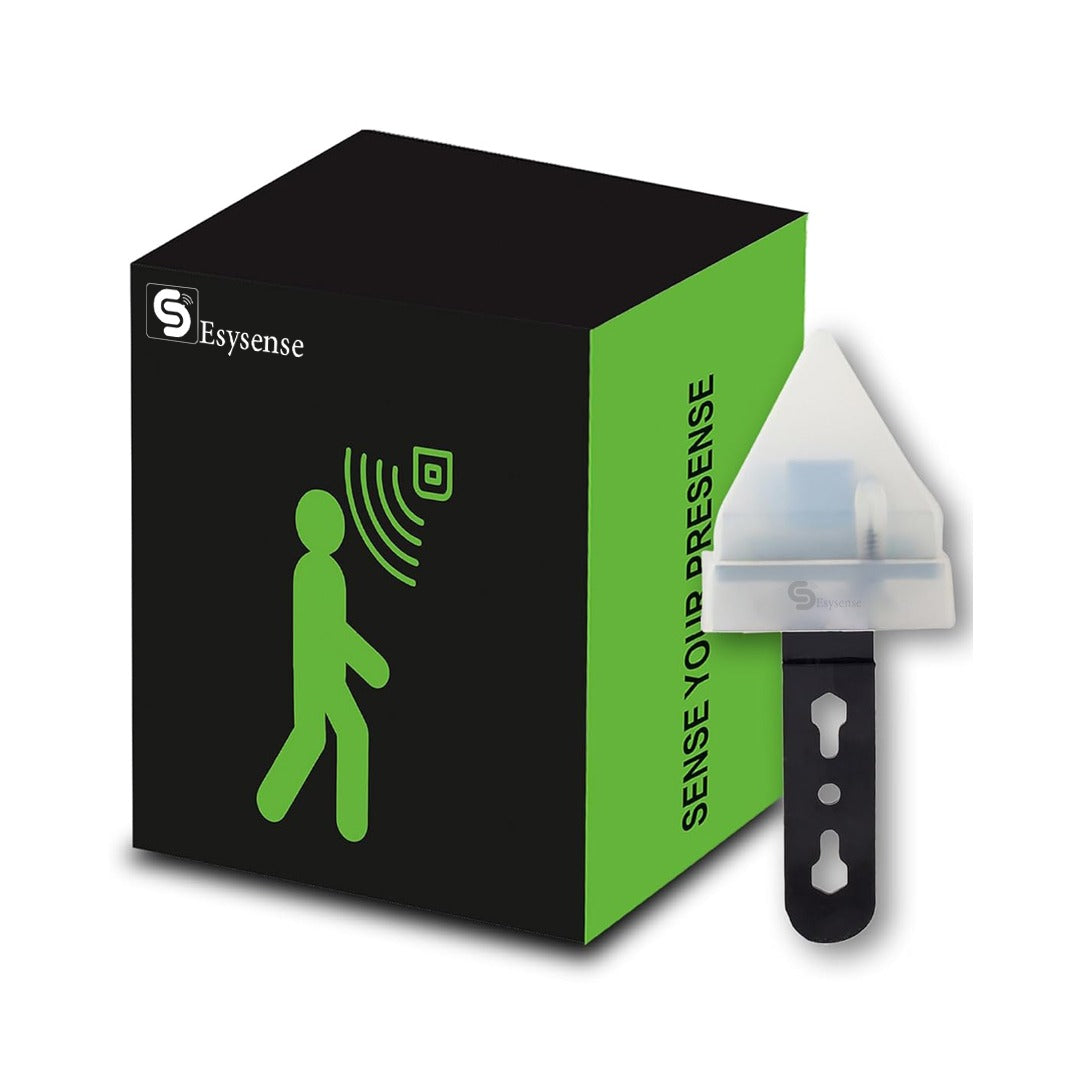
What Is a Pole Mount Photocell Sensor?
A pole mount photocell sensor is an automatic outdoor lighting controller designed to be installed on lighting poles. It continuously monitors ambient light levels and ensures lights operate only when needed, making it an efficient and hands-free solution for both residential and commercial outdoor spaces.
How Day Night Photocell Sensor Technology Works
A day-night photocell sensor uses light-sensitive elements to detect natural light changes. When daylight fades, the sensor automatically switches the connected lights ON, and when daylight returns, it switches them OFF — ensuring smooth, energy-efficient lighting control.
Technical Specifications for Outdoor Use
Operating voltage: 220–270V AC
Load capacity: Up to 10A
Protection rating: IP65 (dust and water resistant)
Suitable for: LED outdoor luminaires
Housing: UV-stabilized for long-term durability
Where Photocell Sensor Lighting Is Used
A pole mount photocell sensor is commonly applied in:
Outdoor street and pathway lighting Automatically turns street and pathway lights ON at night, ensuring safe walking visibility and reduced energy usage.
Residential garden pole lights Helps garden pole lights operate only during low-light hours, improving outdoor aesthetics and night-time safety.
Parking and driveway illumination Provides consistent lighting in parking areas and driveways, improving vehicle safety and convenience after dark.
Boundary and perimeter lighting Ensures boundary lights remain active throughout the night, enhancing property security and clear visibility around edges.
These applications provide automatic and reliable lighting without the need for manual control.
Advantages of Photocell Sensor Lighting
Using a photocell sensor for outdoor lighting offers several benefits:
Automated day-to-night operation
Lower energy consumption
Improved visibility at night
Extended LED fixture lifespan
- Reduced maintenance needs
Installation Best Practices
For best results, install the sensor at a sufficient height where it has clear exposure to natural daylight. Avoid placing it in shadowed areas or near bright fixtures that could interfere with its light detection accuracy.


